22nd October 2020 – Daresalam, Lokomasama Chiefdom, Port Loko District
Community Action to Restore Lives (CARL) continues to champion environmental sustainability and community empowerment through its ongoing Tree Planting Project in Daresalam, Lokomasama Chiefdom, Port Loko District.
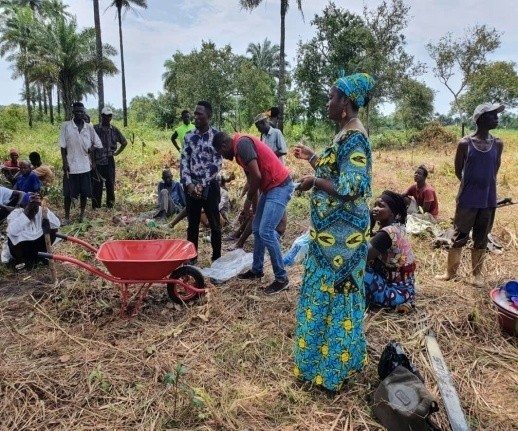
On 22nd October 2020, CARL’s Executive Director, Mrs. Madiana Nyanda Samba, alongside members of the management and field team, conducted a monitoring and engagement visit to the Daresalam Tree Planting Farm. The visit aimed to engage community stakeholders, monitor project progress, and strengthen collaboration with local beneficiaries.
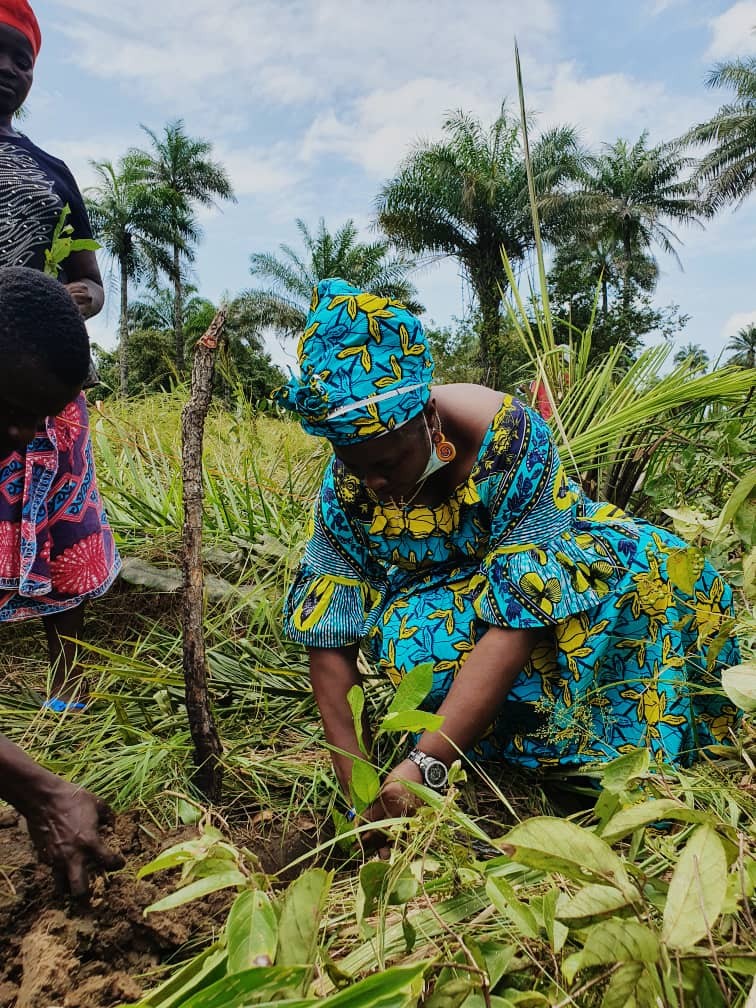
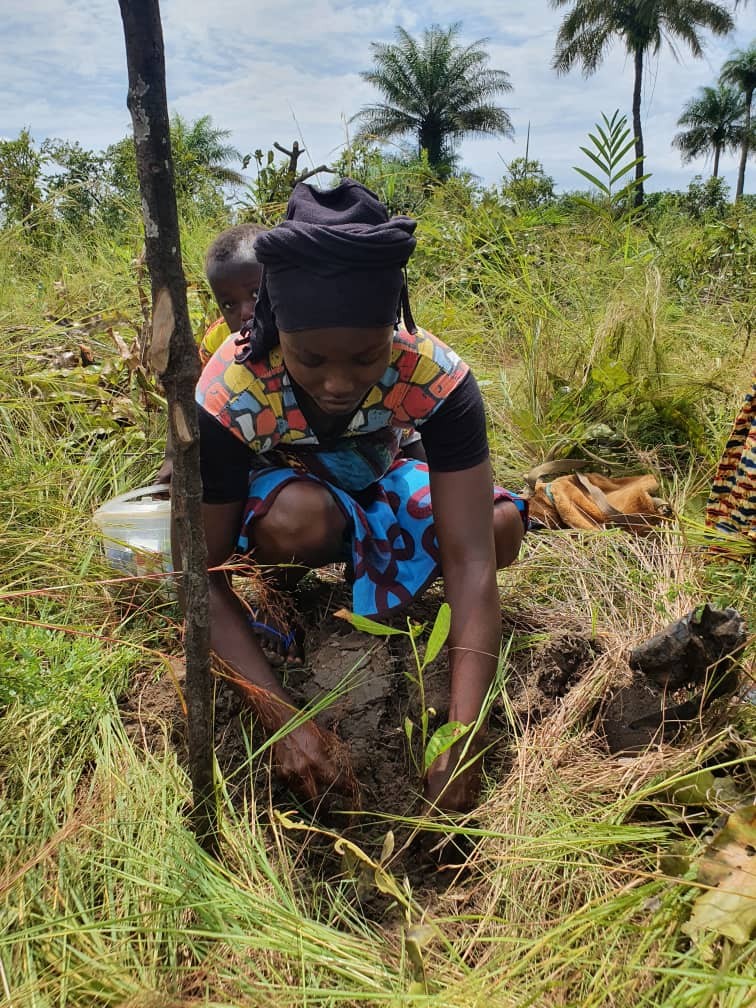
The Tree Planting Project, supported by the Ministry of Environment and Country Planning, focuses on the out-planting and maintenance of economic and forest tree seedlings. More than 4,000 trees are being cultivated, including cashew, orange, and gmelina (Yemane) trees, contributing to environmental protection, climate resilience, and livelihood opportunities for local communities.
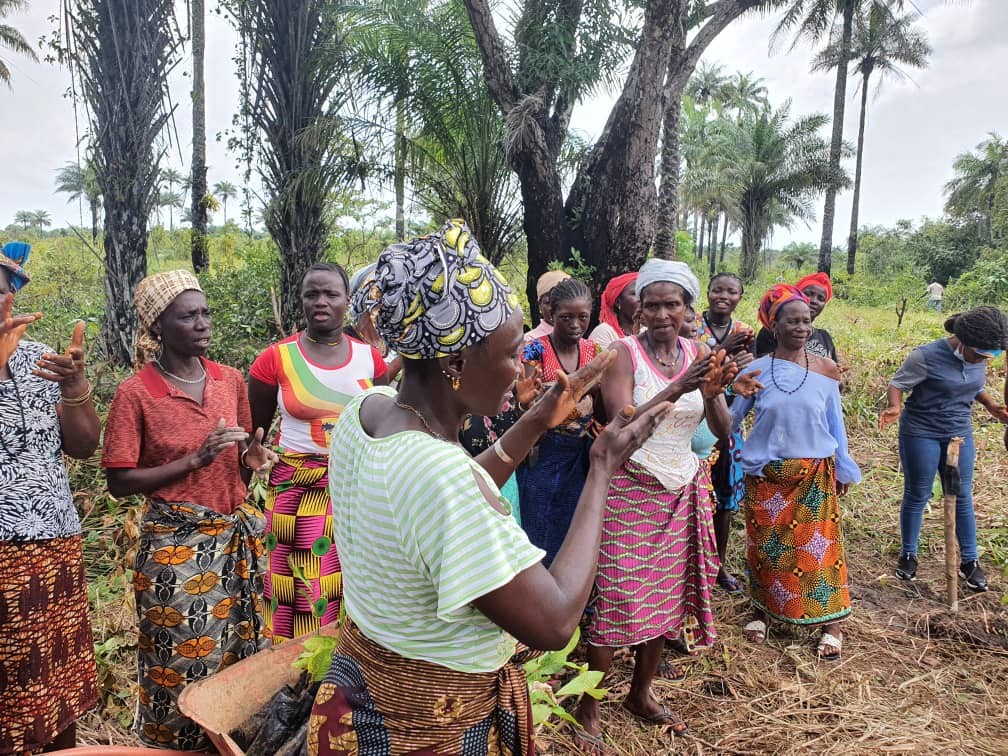
Upon arrival, the CARL team received a warm traditional welcome from the Tamaraneh Women’s Group and community leaders. Stakeholders expressed appreciation for CARL’s continuous support and highlighted the importance of the project to the development of the community.
During the engagement, women beneficiaries shared inspiring testimonies about how CARL’s interventions in leadership, economic empowerment, and gender-based violence awareness have transformed their lives. Community members noted that women are now increasingly involved in local decision-making processes and leadership roles, reflecting positive social change driven by CARL’s programs.
Speaking during the meeting, Executive Director Mrs. Madiana Nyanda Samba encouraged community members to take full ownership of the project, emphasizing that the initiative is designed to benefit both present and future generations. She further highlighted CARL’s commitment to empowering women and girls, promoting peace within homes, and supporting sustainable community development.
To support the implementation of the project, CARL also provided working tools, including wheelbarrows and shovels, to aid farm activities and improve productivity.
The visit further included a stakeholders’ meeting where updates on the project were shared. Community representatives confirmed that a local Project Steering Committee has been established to oversee the implementation and monitoring of activities. Planting activities have already commenced, particularly for the cashew seedlings.
Community leaders also used the opportunity to appeal for additional support to improve educational facilities within the area, especially the community’s only secondary school. CARL assured stakeholders of its commitment to advocating for better opportunities and partnerships that can contribute to improved learning conditions.
The successful visit demonstrated the strong partnership between CARL and the people of Daresalam, reaffirming the organization’s dedication to environmental conservation, women’s empowerment, peacebuilding, and sustainable community development across Sierra Leone.
Wrapping Up with Key Insights
The Daresalam Tree Planting Initiative reflects CARL’s continued commitment to environmental sustainability, community empowerment, and inclusive development. Through the planting of thousands of economic and forest trees, the project is not only helping to restore the environment but also creating long-term livelihood opportunities for families in the community. The active participation of women, local leaders, and community stakeholders demonstrates the power of collaboration in driving meaningful and lasting change.
Beyond environmental conservation, the initiative has strengthened community unity, promoted women’s leadership, and encouraged local ownership of development projects. CARL remains dedicated to supporting communities through sustainable interventions that improve lives, protect natural resources, and create a better future for generations to come. Together, we can continue building resilient communities and a greener Sierra Leone.
Leave a Reply